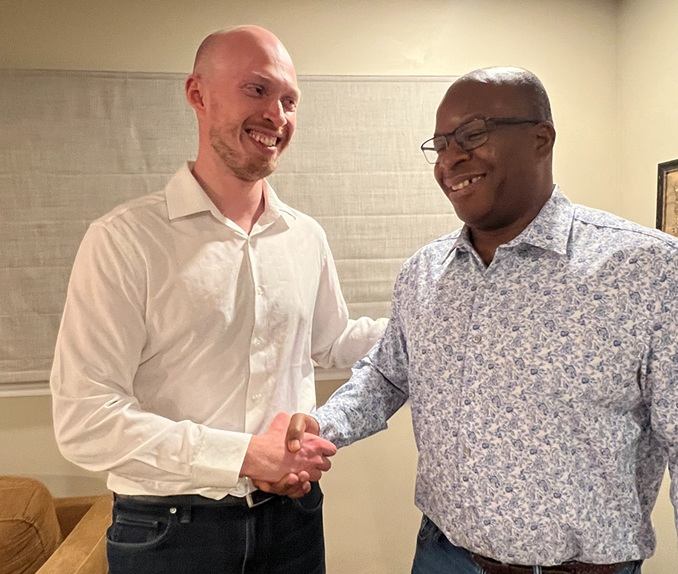
A Raleigh Coffee Meeting That Changed a Franchise Decision
The ping came through on a Tuesday morning while I was elbow-deep in the Item 19 of a rather opaque Franchise Disclosure Document. It was a direct message from a local guy named Jeff. He’d seen my recent deep-dive post breaking down the grim reality of QSR (Quick Service Restaurant) unit economics, and he wanted to talk.
We met up later that week for coffee here in Raleigh. Jeff slid into the booth looking like a guy ready to conquer the world—or at least, a highly trafficked retail corner. He had his heart set on food. Specifically, a trendy fast-casual concept he was convinced was the next big thing.
I listened patiently, then I pulled out my notepad and shifted the conversation from the menu to the math.
“Jeff, I love a good smash burger as much as the next guy — but let’s look at the Item 7. You’re staring down the barrel of a $750,000 to $1.2 million build-out before you even turn on the fryers.”
I walked him through the reality of the food sector. We broke down the heavy capital expenditure required for FF&E (Furniture, Fixtures, and Equipment), the nightmare of securing a prime Class-A retail lease with an aggressive triple-net (NNN) structure, and the brutal reality of COGS (Cost of Goods Sold) in an era of volatile supply chains.
Then I hit him with the labor metrics.
“You’re going to need a roster of 25–30 employees just to keep the doors open seven days a week. You’re not managing a business — you’re managing turnover.”
Your prime costs—labor plus food—will eat up roughly 60–65% of gross revenue. Add royalties, national ad funds, and debt service, and you’re fighting for a mid-single-digit EBITDA margin.
I could see the blood drain from his face as the romanticism of restaurant ownership collided with the spreadsheet.
The “foodie dream” was dying — replaced by the reality of grease traps, health inspections, and razor-thin margins.
Jeff leaned back.
“So… if not food, then what?”
That’s when I pivoted him toward what I often call the hidden gem of franchising: Home Services.
I introduced him to an asset-light, high-margin residential services model. No storefront. No dining room. No fryer oil.
Instead, the “storefront” was a fleet of heavily branded service vans.
Rolling billboards.
The investment? Roughly $150,000 all-in — covering the franchise fee, two vehicles, and a strong localized digital marketing ramp-up designed to capture homeowner search demand.
Without perishable inventory and a massive payroll, the margins looked dramatically different.
Instead of relying on walk-in traffic, the business ran on high-ticket, needs-based service calls.
Jeff only needed a handful of reliable technicians instead of an army of part-time workers.
The ramp-up period was faster. The break-even timeline realistic.
And perhaps most appealing of all:
“No late nights. No weekends — unless you want to charge emergency rates.”
Jeff spent a few days reviewing the pro formas side-by-side.
Once he saw the numbers clearly, the decision made itself.
He wasn’t in the business of feeding people.
He was in the business of building wealth.
Jeff signed a multi-territory Area Development Agreement for the home services brand.
Today he has two vans on the road covering Raleigh service routes — and he hasn’t had to clean a single deep fryer.
Leave a Reply